
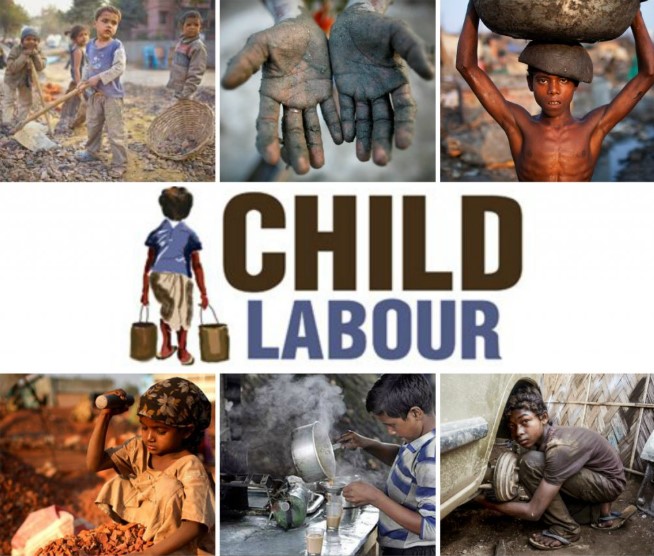
What are child labour act laws?
The child labour act refers to legal rules that prohibit or regulate the employment of children in hazardous and exploitative work. It ensures children receive education, safety, and basic rights.
Best child labour act protections
The best protections under the child labour act include banning hazardous jobs, limiting working hours, and enforcing strict penalties on employers who violate child rights.
How to choose child labour act compliance?
To ensure compliance with the child labour act, employers must verify age, avoid hazardous work assignments, and follow legal working conditions and education requirements.
Introduction
Childhood is meant for learning, growth, and happiness—but for millions of children, it is overshadowed by labor, hardship, and lost opportunities. Across the world, child labor continues to be a serious social issue, affecting education, health, and overall development. This is where legal frameworks step in to create protection and accountability.
The child labour act plays a crucial role in safeguarding children from exploitation. It defines what kind of work is prohibited, sets age limits, and establishes penalties for violations. In countries like India, this law has evolved to become stricter over time, reflecting society’s growing awareness of children’s rights.
Understanding this law is not just important for policymakers or employers—it matters for parents, educators, and citizens. Awareness can help prevent violations and ensure every child gets the opportunity to thrive.
Quick Summary
- Prohibits employment of children in hazardous occupations
- Ensures access to education and safe childhood
- Imposes penalties on violators
- Applies to both organized and unorganized sectors
Understanding the Child Labour Act in India
The primary legislation governing child labor in India is the Child Labour (Prohibition and Regulation) Act, 1986. This law was later amended in 2016 to strengthen provisions and align with global standards set by organizations like International Labour Organization.
The act divides children into two categories: those below 14 years and adolescents between 14–18 years. It completely bans employment of children below 14 in any occupation, except in family businesses under strict conditions. Adolescents are prohibited from hazardous occupations such as mining, chemical industries, and construction.
This framework aims to strike a balance between cultural realities and child protection, though critics argue stricter enforcement is still needed.
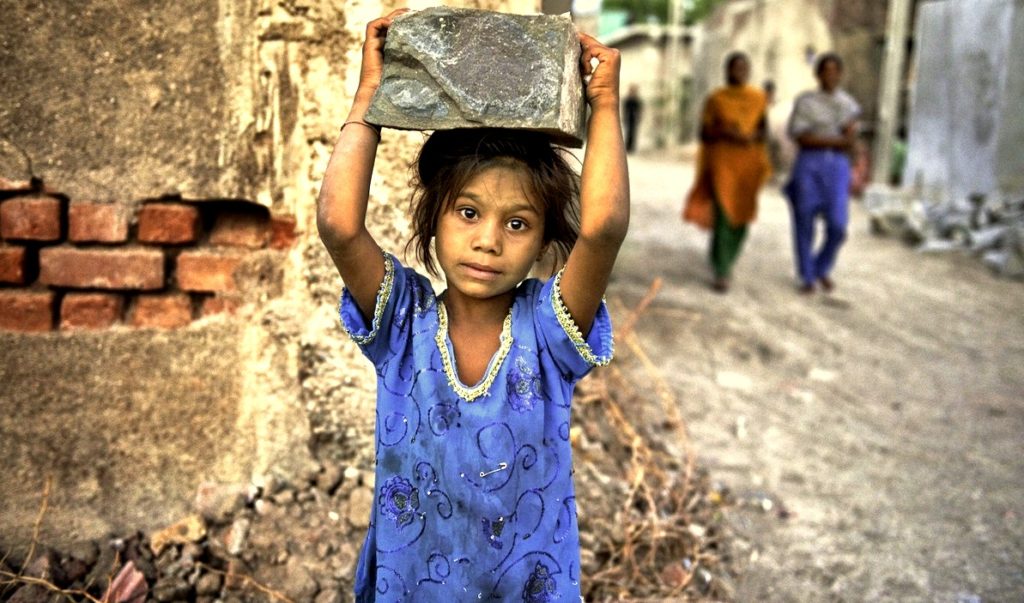
Objectives of the Law
The child labour act is designed with multiple objectives that go beyond just prohibition. It seeks to create a safe and nurturing environment for children.
Key Objectives
- Eliminate child labor in dangerous industries
- Regulate working conditions where allowed
- Promote education under Right of Children to Free and Compulsory Education Act, 2009
- Prevent exploitation and trafficking
The law also aligns with global child protection goals, including the United Nations Sustainable Development Goals.
Key Provisions and Rules
Age Restrictions
Children below 14 years cannot be employed in any occupation. Adolescents (14–18 years) are restricted from hazardous work environments.
Working Conditions
For permitted work, regulations include limited working hours, mandatory breaks, and safe working conditions.
Penalties
Employers violating the law face strict punishments, including fines and imprisonment. Repeat offenders face harsher consequences.
Education Mandate
Children must not be deprived of schooling. The law reinforces the importance of formal education as a fundamental right.
Child Labor Categories and Legal Status
| Category | Age Group | Legal Status |
|---|---|---|
| Children | Below 14 years | Completely prohibited |
| Adolescents | 14–18 years | Allowed (non-hazardous work only) |
| Hazardous Occupations | Any minor | Strictly prohibited |
| Family-based Work | Limited cases | Allowed with conditions |
Real-Life Example
In a small town in Rajasthan, a 12-year-old boy was found working in a roadside workshop. After intervention by local authorities and NGOs, the employer was fined under the law, and the child was enrolled in school. This case highlights how enforcement of the child labour act can transform lives.
Pros and Cons
✔ Advantages
- Protects children from exploitation
- Promotes education and skill development
- Reduces poverty cycles in the long run
- Aligns with global human rights standards
Limitations
- Weak enforcement in rural areas
- Family business exception loopholes
- Lack of awareness among employers
- Economic pressures still push children into work
Expert Tips
- Always verify employee age documents before hiring
- Avoid employing minors in any risky environment
- Support education initiatives in your community
- Report violations to authorities immediately
Common Mistakes to Avoid
- Assuming family work is always legal
- Ignoring hazardous job classifications
- Overlooking working hour restrictions
- Failing to maintain proper records
Who Should Understand This Law?
The child labour act is essential knowledge for employers, HR professionals, business owners, and even parents. NGOs, teachers, and policymakers must also understand it deeply to ensure enforcement and awareness. Anyone involved in hiring or community development plays a role in preventing child labor.
Important Stats and Insights
According to global estimates by the UNICEF, over 160 million children are engaged in child labor worldwide. In India alone, millions of children still face labor conditions despite legal protections.
Studies show that children who receive education instead of working are 50% more likely to secure stable employment in adulthood.


FAQs
What is the main purpose of the child labour act?
The main purpose is to prevent exploitation of children, ensure their safety, and promote access to education.
Can children work in family businesses?
Yes, but only under strict conditions and outside school hours, ensuring no harm to education.
What are the punishments for violating the law?
Punishments include fines and imprisonment, especially for repeated violations.
Is education compulsory under this law?
Yes, the law supports compulsory education as a fundamental right.
How does the government monitor child labor?
Through inspections, complaints, and collaboration with NGOs and local bodies.
Summary Recap
The child labour act is a critical legal framework designed to protect children from exploitation and ensure their right to education and safety. While it has significantly reduced child labor in many sectors, challenges remain in enforcement and awareness. Strong implementation, combined with social responsibility, is key to eliminating child labor entirely.
Conclusion
The child labour act is more than just a legal document—it represents a commitment to protecting childhood itself. While laws can set boundaries, real change comes from awareness, responsibility, and collective action. By understanding and supporting this law, society can move closer to a future where every child is free to learn, grow, and dream without limitations.
Read More:-How to Become Lawyer: Complete Career Guide for Beginners